Simple Feed
November 22, 2021
Dodge the Diet Busters: Staying Healthy over the Holiday Season
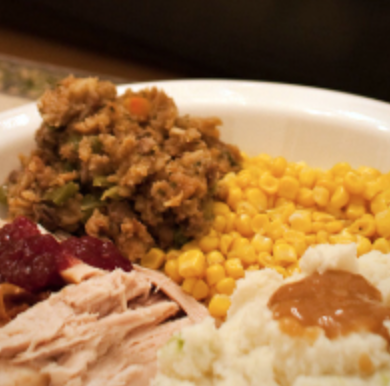
‘Tis season to be jolly, but unfortunately, the Thanksgiving and Christmas turkeys are not usually the only thing that gets stuffed over the holidays.
It’s commonly believed that North Americans gain, on average, 5-10 pounds between Thanksgiving and New Year’s. It turns out that the average gain is closer to 1 pound — but that, according to a study, is a pound you never lose. After a few decades that annual pound becomes . . . obesity.
Recent researchers analyzing data reported in the New England Journal of Medicine on the weight and eating and lifestyle habits of nearly 121,000 men and women, where participants were tracked every four years for 20 years. The men and women in the study, who ranged in age from about 33 to 60 and were of normal weight when the researchers began following them, gained an average of 3.4 pounds every four years.
For adults gaining an average of almost a pound a year as they age, much of that weight gain is caused by changes in diet such as eating extra servings of foods such as potato chips, french-fries, sugar-sweetened drinks, white bread and low-fiber breakfast cereals. Other contributors are a decreased intake of fruits, vegetables, whole grains and other minimally processed foods; less physical activity; more time spent watching TV; and poor sleep habits.
For an athlete, if you have tapered off your training volume this fall, and couple that with increased consumption and the “athlete’s appetite”, you could be looking at a 5-10lb gain through November and December. For an extremely lean athlete, going from 5 to 7% body fat is no big deal, and actually healthy this time of year. For many of us who have been working hard towards developing the athlete’s physique to improve our performance, this time of year can be a significant setback in meeting our 2017 goals.
Enjoy some of the holiday treats, but consider a couple good, general rules:
1. Turkey dinner facts
The average turkey dinner contains more calories than the average adult needs in an entire day (for many, it’s almost double the amount they need in a day). It can also contain the amount of fat grams required for an entire week, according to the American Council on Exercise.
2. The real meaning of Christmas
This holiday keep the primary focus on thankfulness, family and faith rather than feasting. Think of the food as a periphery item, a fringe benefit.
3. Small portions and will power
Want to taste it all? You should! Just because you want to enjoy all of the foods served during your family’s dinner doesn’t mean you need a full serving of each dish. Take enough to allow yourself a couple bites of each item. Serve yourself slightly larger portions of low fat items and turkey.
4. Have a strategy for peer pressure.
How will you handle comments like, “I worked so hard to cook this!” and “Is that all you’re going to eat?” Consider your responses.
5. Eat slowly
Remember, it takes the stomach about 15-20 minutes to signal the brain that it is full. By then, we’ve usually overeaten, especially during the holidays. Eat slowly, savoring every bite. Tell yourself that if you are still hungry 15-20 minutes after you finish what is on your plate, you can have more — again, in moderation
6. Food logistics.
If you park yourself in front of the hors d’oeuvres, you just may graze yourself an extra 300 – 1000 calories before you even sit down to dinner. Pick a few items, put them on your plate, and move far, far away from the food.
7. Drink water and limit your alcohol consumption
Make sure you always have a glass of water in your hand. Your hands and mouth will be occupied and it will help to fill up your stomach a bit so you don’t overeat. Alcohol provides “empty calories” and no nutritional value.
8. Reduce Stress
In several studies, financial, family, and work stress were associated with increased weight gain over time. Some of that gain may be due to stress-induced overeating, but a rise in the stress hormone cortisol causes weight gain irrespective of calorie intake. Plus, fat and sugar hit the pleasure centers of our brains, so fatty, sugary foods are our go-to for relaxation. So holiday planning stress and rushing around the mall piling up credit card debt may be just as fattening as pumpkin pie.
9. Get Some Sleep
For many people, this is a busy time of year and it’s tempting to squeeze more hours out of the day by staying up later. But, as recent research suggests, sleep deprivation can contribute to weight gain, or at least stall weight loss.
10. Get Coaching
Working with your coach to achieve specific goals during the winter break will help keep you on the right path. Winter is one of the best times of year for sport technical skill-building and strength gains. Competing less at this time of year means you have more time to dedicate to developing some of your specific sport weaknesses. This focus will keep you in touch with your inner athlete, and help keep the pounds off as well. Come January you will be in a great spot to start 2017 preparation.
Happy Holidays!
LifeSport head coach Lance Watson has coached a number of Ironman, Olympic and age-group Champions over the past 28 years. He enjoys coaching athletes of all levels. Contact Lance to share your goals, race faster, or master the Ironman distance.
November 22, 2021
How many races should I do in a year?

Question: “How many races should I run in a year?”
Answer: How many races an athlete can run in a year depends on the athlete. I say this not to be difficult, but every athlete is unique and responds to races in their own way. Some athletes look forward to meeting their competition and can’t wait to step up to the start line. Others give themselves a goal event and that single race is their motivation to train. However, races are more than just going as hard as you can, so the query become also a question of taking into account the psychological and physical toll of participating or racing.
One can approach racing from many different angles. Firstly, they are a means to test your speed and race craft against competition. For some athletes, a race can elicit a more consistent effort than might be seen during a tempo workout. Shorter races are also an excellent way to determine or confirm threshold heart rate, pace or power. Racing also provides the opportunity to practice intangibles like race weekend preparation and the ability to fine tune nutrition, and travel as well as refine sleep habits. Racing also provides a competitive outlet: a part of sport that many athletes thrive on.
Races are good as a run through in preparation for a goal event. For example they can be utilized as a stepping stone to a longer race: a standard distance triathlon when preparing for a 70.3, or a half marathon in the lead up to a marathon. Embrace them as a learning experience.
When deciding how many races to compete in, you must first develop a yearly plan with the ultimate focus on the “A” or most important race. Determine how much time needs to be devoted to building up to the race distance. Early in the season, shorter, single sport races like a 5 or 10k are great for dialling in threshold heart rate and pace. Closer to the athlete’s goal race, a full triathlon is a good opportunity to evaluate how training is progressing and getting a handle on race specific processes like transitions, running off the bike and practicing nutrition.
At the longer distance races such as an IRONMAN, a newer athletes’ needs are different from an experienced one. A coach typically needs to adapt this athlete’s body to the increased endurance required for the distance. On the other hand, a seasoned athlete might be looking for adaptation from shorter events in order to increase overall speed. An athlete stepping up to a longer distance may need much of that time adapting to the extra endurance required. Therefore putting in the time and mileage with long training sessions without the time lost to building into, tapering and recovering from multiple races is often preferable.
On top of that, many athletes also require psychological reassurance that they have the physical and mental ability to complete the event and this is where completing a 70.3 distance race two months prior to an IRONMAN comes in. The athlete has a dry run through and comes away from the race with added confidence towards completing the longer distance.
When deciding how many races an athlete can race in a year, keep in mind the process goal of each event within the training plan, the amount of recovery required from the race and whether the race is going to be a positive experience overall. For example, adding criterium style bike racing into an athletes’ plan, 8 weeks out from a goal non-draft legal triathlon is more likely to be a negative experience with the chance of injury being high and the race not being target specific. However, a short local time trial may boost fitness and provide a chance to work on bike position as well as aerodynamics.
When deciding on how many races to include in your yearly plan, all these factors should be considered with the outcome based on what is best for that athlete.
LifeSport coach Dan Smith is a NCCP certified triathlon coach whose experience over 20 years has lead athletes to secure a spot in Kona and hit the podium on a consistent basis. Dan’s knowledge and experience allows him to customize a program for beginners to pro athletes. Contact Dan to share your goals, race faster, or master the Ironman distance.