Simple Feed
November 23, 2021
7 Taper Tips for Peak Performance
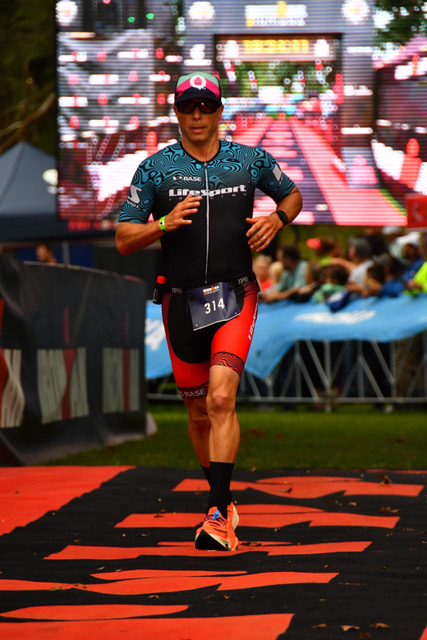
Your big race is approaching. The key training sessions are done. To allow your fitness to shine through on race day, there are still some key considerations to maximize your performance. Consider these seven fine tuning strategies:
1. Lower Training Volume
Lowering training volume will definitely decrease fatigue. For major races, you should decrease training volume for 1-2 weeks prior to the race. In the final 10-14 days before a race, no further training improvements will be made before the event. You can lower volume in your endurance workouts without any fear of compromising performance. If you normally train for 12-15 hours per week, you might decrease training to around 5-7 hours in the week prior to an event.
2. Maintain Some Intensity
Maintain some training intensity leading into the race, but decrease the number of intervals and increase the amount of rest. Race pace efforts will prepare your body and mind for the challenge ahead, keep you loose and keep your body fine tuned.
3. Keep Your Training Schedule
The body is accustomed to specific frequencies of volume and intensity in training. Don’t disrupt your regular training pattern by adding extra workouts, deleting workouts and changing the time of day that certain workouts are performed. If you normally do 2 or 3 early morning swims per week, keep swimming early.
4. Plan Ahead
The extra free time you have before a race can be spent planning your equipment. Take the time to create a checklist of items you will need. Start packing these items and buying supplies (like PowerBars and Gatorade) well before you leave for the event. Get your bike to the shop early, you know what outfit you will race in, how you will carry your nutrition, etc. Don’t fill your rest days with extra tasks and busy work! Recover like a pro and plan some feet up time to stay relaxed and absorb your training. Read a book and watch a few movies.
5. If You Are Traveling…
Travel should be integrated into your training and race plan. Don’t do your biggest day of training prior to a long flight or drive. Take a rest day before and after a long trip that includes very light training. Plan to stay well hydrated (not to excess) and properly nourished when you travel, carrying bottled water and healthy snacks with you on your trip.It’s important to stay mobile when you travel. Take frequent rest stops to stretch or walk around to stay limber.
If possible, try to get your numbers and race package as soon as possible after arrival. You can calm nerves and focus on the race when you have this information.
6. Learn the Course
Pre-drive the race route. Ideally, you will do this at least two days before the actual event – don’t jam up your pre-race day. Take the time to study the terrain and think about your pacing and race strategy. Knowing the course is one of the keys to maximizing your performance in any race. If the race is a major goal for the season, you may wish to plan a scouting trip to the venue prior to the race. You could do this several weeks or even months ahead of the race.
7. Attitude of Gratitude
All the work and preparation are over, and it’s time to get out and enjoy your fitness. Remember how lucky you are to have a health body and to be taking part in the sport you love to do with a group of like-minded people. Decide to enjoy the day.
LifeSport head coach Lance Watson has coached a number of Ironman, Olympic and age-group Champions over the past 30 years. He enjoys coaching athletes of all levels.
November 22, 2021
How to plan for success in 2022
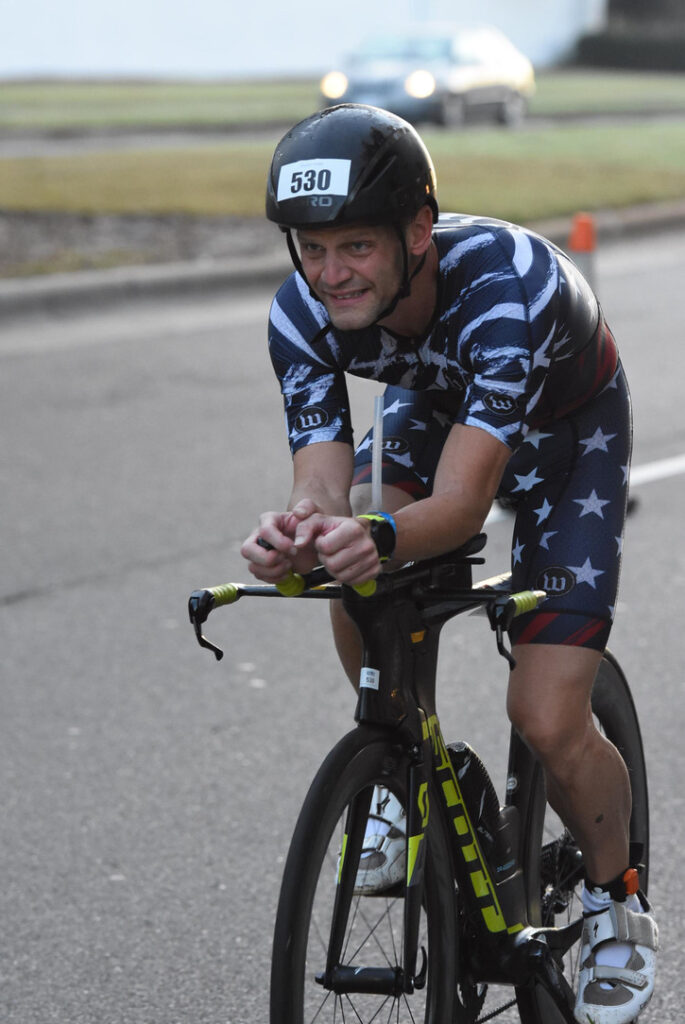
The fall is the best time to start planning your upcoming year. The recent season is still fresh in your mind: you can remember the various successful workouts, the races, and also the flow of the phases of the year. You can ask yourself which races went well, bringing in details like types of terrain, and timing within the season. Were you strong all the way through from March to October, or did you come out guns-a-blazing and fizzle down the final home stretch? Were you good on the bike and weak on the run, or better on the hills but not over flat terrain? Break down your season in the swim, bike and run, and examine your skills within each sport. Ask yourself honestly, did you achieve what you hoped to? Contemplate what the next steps are to improve.
It is easy to break down goal setting into 3 basic categories: Dream goals, long term goals and short term goals.
Dream goals are the fantasy that get your out the door on a rainy day, and remind you of why you got into sport to start with – to do an exotic sports vacation with friends, to win your age group, to qualify for Kona, to run a sub 3 hour marathon, to finish an Ironman, to be fitter than you have ever felt, etc. Only you know what inspires you. Write it down. Initially, it may be way out there, but if you haven’t clarified this for yourself, you may at times wonder “what the heck am I doing out here?” during that rainy winter base ride. Dream goals come from the heart and are the passion that sparks your performance.
Long term goals are tangible targets set for 1 to 4 years down the road. For Olympic athletes this is the quadrennial cycle, a four year journey to a peak event. They are goals that are realistically achievable with a plan and hard work, but which still provide a challenge. Long term goals point you in the direction of your dream goal. Short term goals create the structured pathway to the long term goal. Like the rungs of the ladder leading to the top step, short term goals represent what you want to achieve in the next 1 to 6 months.
Long term and short term goals should be specific. For instance, let’s use a mock scenario of an athlete with his eye set on Ironman Canada next summer:
Joe completed an Ironman in 10:50 in the past year. His “dream goal” is to win the 40-44 category and qualify for the Ironman World Championships. To do this he will likely need to finish the race in less than 9 hours and 40 minutes. His “long term goals” are to finish sub 10 hours in 2 years, and sub 10:20 in one year. Joe’s challenge is to create stepping stone “short term” goals over the next 6 months that will help him achieve his targets.
Currently he swims 55 minutes for the 3.8km, bikes 5:40 for 180km and runs 4:05 for the marathon, plus 10 minutes of transitions. In assessing his race, he felt the swim was smooth and in control due to his swim back ground, and he was ahead of many sub 10 hour athletes after the swim. He went through half way on 5:20 pace but faded in the last 60km to finish at 5:40. He reports the bike hills starting at 2 hours into the course hurt his legs, whereas he felt good on the flatter sections. He also felt timid on the technical descents. The run was sub-par compared to his half ironman runs which were all sub 1:35, and he suffered from upset stomach and cramping. He also felt he was loping, and was passed by athletes with better stride turnover. Throughout the race there were periods when he lost concentration, or confidence, and at times he was hard on himself. Last, he also noted many top athletes had a combined transition time of approximately 5 minutes.
Joe would assess his areas for improvement as follows:
Swim:
- GOAL: To maintain swim ability. Swim is adequate.
- Actions: De-emphasize swim training through the winter to be fresher for bike and run, stay in touch with technical swimming and some threshold swimming. Join a masters group to keep it fun. Increase swim volume and open water swims prior to Ironman to return to race form. Swim goal is again 55:00.
Bike:
- GOAL: to improve stamina and aerobic power, to build strength and improve hill climbing ability, and to learn to better identify sustainable bike wattage power output on the flats and the hills. To be able to time trial 90km in 2:30 and an Ironman bike goal time of 5:15-5:20
- Actions: To initiate a bike specific strength training program from October to May. To receive technical coaching on his climbing and descending technique. To purchase and learn about using a power meter. To create a training progression with his coach to improve hill climbing power output by 15%. To have specific paces and targets for the second half of his long rides. To increase average power output by 15% over rides of 4 hours and longer.
Run:
- GOAL: to become better at running off the bike over the marathon distance, to improve aerobic power and efficiency at low heart rates. To learn to run on tired legs at higher cadence. To strengthen legs to become more resilient to the pounding of the Ironman marathon. His run goal is to translate his 1:35 Half Ironman run time into a relevant Ironman run time of 3:40 or better.
- Actions: Increase the frequency of runs off the bike. Measure run cadence for all long runs, and long runs off the bike, at over 90 strides per minute. Create aerobic heart rate training zones with his coach, and run at goal race cadence and heart rate for increased volume. Create a run hill progression to build strength. Learn to fuel better on the run and to create an effective personalized nutrition plan for race day.
General:
- GOAL: To refine sports nutrition protocol.
- Actions: To simplify nutrition regime and get a clearer sense of caloric intake and sodium intake at race specific heart rates. To consult a coach and nutritionist regarding race week and race day nutrition and hydration protocols.
- GOAL: To create a better mental strategy to deal with the demands of the day and maintain positive focus.
- Action: to read 3 credible sports psychology books. To consult a sport psychologist to create a race plan. To implement imagery, positive self-talk and cues into training and racing.
- GOAL: To refine transition, with a goal time of 5 minutes total T1 + T2.
- Action: Assess race uniform to limit changes. Practice for efficiency under the watchful eye of a coach. Simplify routine and eliminate any choices.
Once you have identified your areas of technical skill development and energy system development needs, take time to periodize your year to meet your goals:
- Fall: emphasize areas for improvement – skills
- Winter: emphasize areas for improvement – energy systems (i.e. endurance, threshold, hill strength, etc. in swim, bike or run)
- Spring: Build endurance in all sports, and train for an initial test event, i.e. a half ironman.
- Summer: Ironman peak: Bring it all together; create a timeline to assess your progress and address your needs; polish your diamonds (strengths).
Take time to put pen to paper, analyze your strengths and your areas for improvement, and create specific goals to get you there. The winter and spring are your best opportunity to work on your weaknesses and to up your game. Assess as you progress throughout the year, and be flexible enough to refine things as you go, or raise the bar if you are exceeding expectations. Your goal setting sheet is your road map to a successful 2022 season!
LifeSport head coach Lance Watson has coached a number of Ironman, Olympic and age-group Champions over the past 30 years. He enjoys coaching athletes of all levels. Contact Lance to share your goals, race faster, or master the Ironman distance.