Simple Feed
October 13, 2021
Practice Habits of Champions
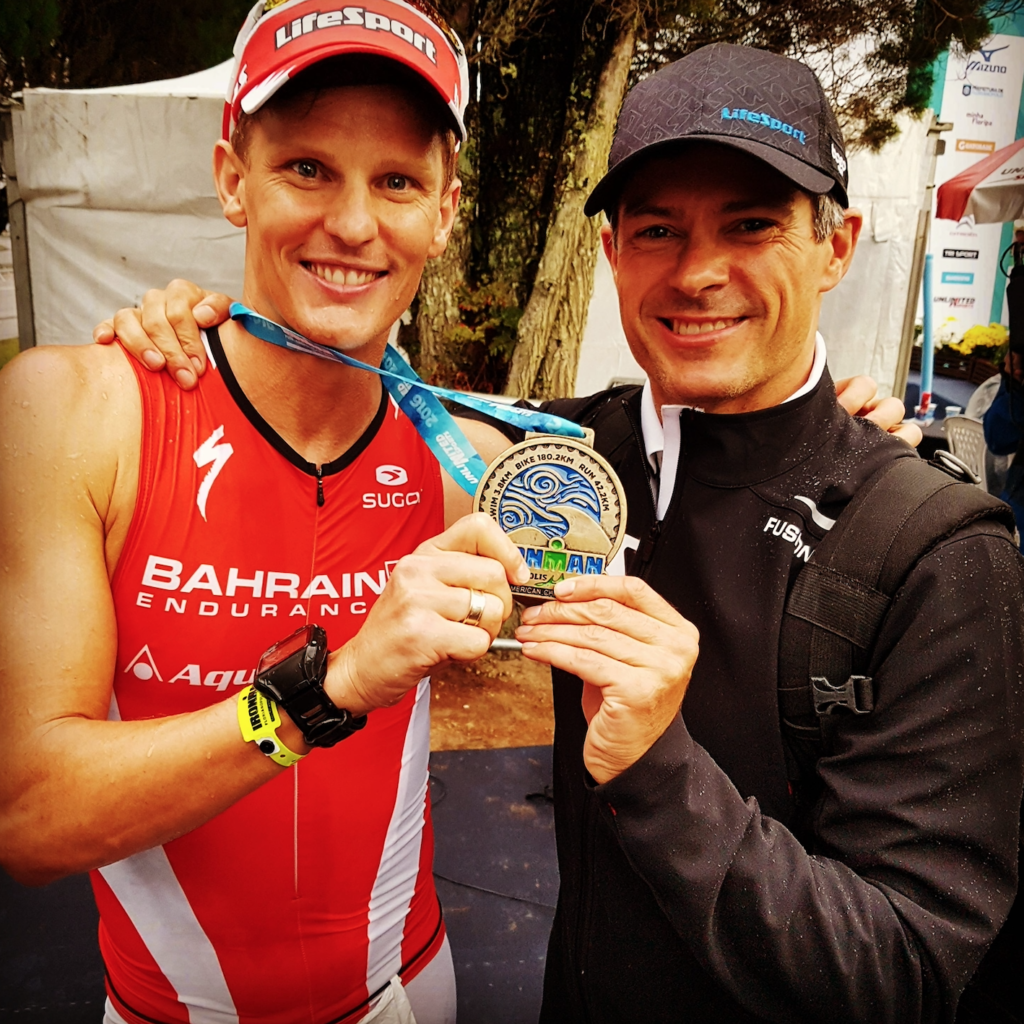
Over the last 30 years I’ve had the good fortune of working with many successful champion athletes, both professional and amateur. During that span I’ve seen talented athletes have middling careers and alternately, I’ve seen promising athletes have long and fruitful careers. This is largely due to the habits that they create with their day in and day out focus. The groundwork for excellence is laid in practice. We build habits around practice and those habits are replicated on the racecourse. While fitness is a critical component, as important is learning how to process discomfort and problem-solve competitive or logistical challenges to maximize personal performance.
PRE-PRACTICE HABITS.
How an athlete mentally prepares for practice greatly impacts their performance quality. It starts with attitude. Attitude is a decision. While some days are harder than others, the ability to partition life stress and tune into your optimal performance zone – that level of activation and focus you need to be on task – is a practiced skill. Focus on and replicate your positive, on-task training days; Decide to add this skill set to your mental tool box to call on at-will.
Goal setting before practice, both process and outcome, help you hone focus. To refine this, make sure you know the purpose of the practice. What energy system are you emphasizing? What biomechanics are you focusing on? How fatigued should you be by the end of practice? Spend time visualizing efficient movement before practice. Watching video of high performers is a good trick to get you in the zone.
IN PRACTICE ENVIRONMENT
I have found the most consistent performers are able to combine fun with focus. They’re excited about the practice, energized about the challenge of the day, and looking forward to connecting with their peers at the venue. Experienced athletes work with their coach and their teammates to strategize how to best execute the practice at hand. They take a cooperative approach. There may be internal competition, but that is coupled with a sense of camaraderie. An athlete who has trained in well-coached, high-performance practices knows that during “on” days they have something to give to their teammates, and during “off” days that feel harder, they rely more on their teammates to pull a little bit more out of them.
LOGISTICS
A critical part of a successful practice is logistics. By being organized and creating storage and preparation systems, equipment details are not overlooked. While this may seem like basic advice, pre-organizing multiple gym, swim or run bags, having a charging spot for your technology, ensuring bike helmets and equipment are stored in proximity, or pre-packing your training day (and maybe the car) the evening before allows you to have logistics dialed in so that you spend less time pulling equipment together and more time mentally focusing on the day’s training.
Be disciplined about arriving early to practice, creating extra time in your day as a buffer so that you can properly stretch and cool down without stress about needing to be somewhere else. Sometimes an extra 10 minutes makes all the difference.
LOG IT
Being habitual also means logging workouts immediately after practice. Have that technology on hand. With so many simple mobile technologies available, uploading files can be done promptly to your training log, as can typed or voice-to-text commentary. Performance tracking allows you to see patterns in performance and to reflect on similar workouts. The ability to compare heart rate, power, and GPS side by side is a very specific way to analyze progress. High performers log their training and provide supplementary journaling so they can better learn from their practices and increase the probability of successful performance on race day.
KEEP YOUR BODY TUNED
The last critical piece of maximizing performance gains from practice is body preparation and maintenance. Carve out time to stretch properly and add bi-weekly standalone sessions to work on mobility. Incorporating foam rolling, massage balls, muscle stim, compression boots, and massage theraguns all help keep the body tuned and ready to work. Outside of practice, other therapies such as massage, physio, acupuncture and chiro are integrated by elite athletes as part of their regular regime, not only as a means to heal after injury.
Be systematic about the way you warm up. Test what kind of warmups best activate you so that you may simulate them on race day. Start really easy – many athletes start too fast, particularly in the first third of their warmup. Warm up your neuromuscular system through activation drills and race specific movements for very short periods of time, for instance 20 to 30 seconds.
Last, prepare your nutrition around the workout. Finish your easily digestible pre-meal at least two hours prior. Pre-prepare some carbs to consume within 30 minutes of finishing practice, such as a recovery shake. Have something healthy in the fridge or the cupboards for when you get home – complex carbohydrates and lean protein.
Attention to detail in the way you practice will allow you to pull out a few extra percentage points each session. The net result over the long term is maximizing your human performance potential.
This article was origially published in Training Peaks in February 2020.
Lance Watson, LifeSport head coach, has trained many Ironman, Olympic and age-group Champions over the past 30 years. He enjoys coaching athletes of all levels.
Juliet Thompson Hochman, LifeSport Coach, contributed to this article.
Contact Coach@LifeSportCoaching.com to tackle your first IRONMAN or to perform at a higher level.
Facebook: @LifeSportCoaching. Instagram: @LifeSport_Coaching . Twitter: @LifeSportCoach . Follow and tag #LifeSportCoach
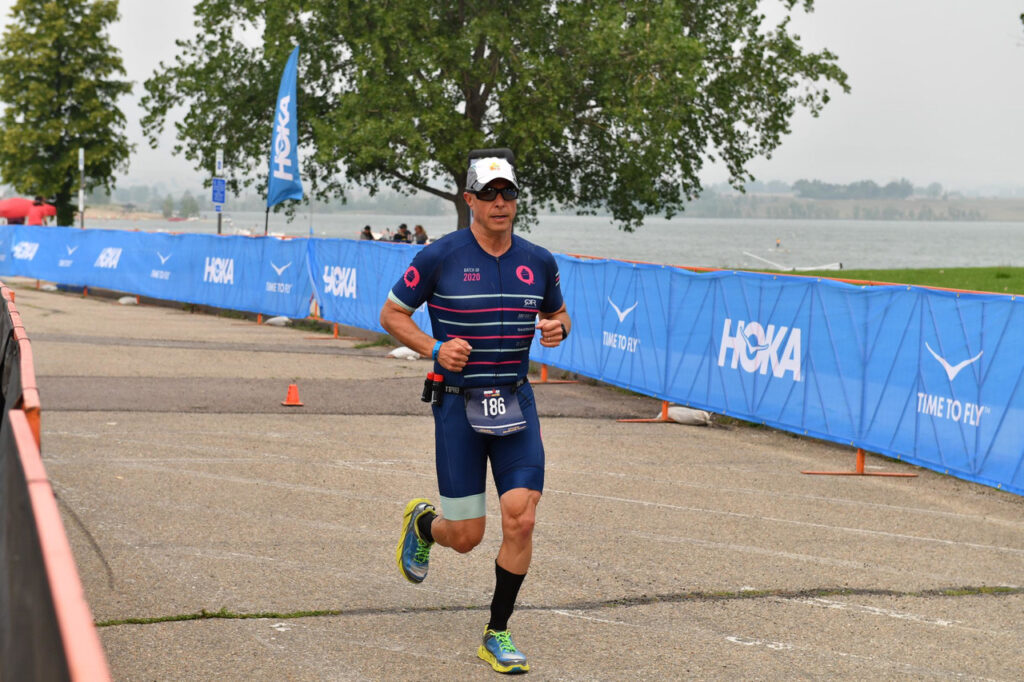
For most of my 20+ years in triathlon, I was very content as a MOPer (middle of the packer). I trained and participated in races but for the most part, I never really considered myself amongst the top performers in my age group. That began to change in 2015 when I came back from hip surgery and decided to dedicate myself to training to see what was possible if I put in more of a consistent effort and trained year-round.
Slowly but surely, I began to see my name crawling up the list of finishers and it wasn’t long before I routinely cracked the top ten. Still, the top five, the podium, seemed unrealistic. In 2018, it suddenly wasn’t so far fetched after all. First at 70.3 Galveston and then at Ironman Boulder, I placed 5th, surprising myself more than anyone. Later that year at 70.3 Boulder, I crossed the finish line and looked at the tracker to see that I was fifth again. But as finishers continued to cross the line, my name was bumped down as a competitor who had started his swim later finished his race eight seconds faster.
At 70.3 Boulder, I had stopped to take a rock out of my shoe during the run. That was the difference between the podium and the beer tent. I was gutted but I learned my lesson. In races with self-seeded swim starts when you don’t know where you are on the course relative to your competition, you have to assume that every second counts.
All of that brings me to this past weekend’s 70.3 Boulder. In the last year of my age group (I’m 54 in the 50-54), it is exceptionally hard to do well against the youngsters in the bracket. But I’ve done well on this course before and I was optimistic. After the bike I was 4th and based on information I was getting on course from friends I was moving back and forth between 4th and 5th for most of the run. I left everything on the course, but the lack of taper (my “A” race is later this year) meant I did not run my best. Believing that I was 5th, I was crushed to discover that an athlete behind me, with the fastest run split of anyone in our age group by six minutes, had again knocked me off the podium, this time by only a tenth of a second.
I was absolutely gutted, again. Despite having a really good day, all I could think about was all the places over 4 hours and 44 minutes that I could have been one second faster.
Over the course of the next few hours, I regained some perspective. Although I will long remember this particular 6th place, in the grand scheme of things it is not that big a deal. So how did I turn things around, mentally and emotionally?
- First, I grounded myself. Last year my youngest daughter was diagnosed with Hodgkin’s lymphoma and between that and the navigating the pandemic as an ER physician, 2020 was the worst year of my life. Seeing Lauren when I arrived home easily put a few hundredths of a second loss in to perspective. Lesson: Racing is not life or death. Life or death is life or death.
- Second, I reached out to people who I knew would understand, allow me to vent, sympathize and then help me see the positives of the day. Coach Juliet and a couple of my close triathlon friends were immeasurably helpful in that regard. Lesson: Identify those people in your life who you can call when you need a shoulder to lean on…and make sure they know they can expect the same of you.
- Third, focus on the positives to learn from the experience and improve moving forward. I had a solid swim, a very fast bike split and my un-tapered run was respectable. I was beaten by a much faster runner (in fact, he’d just set an age group record for the 5K). Moving on to 70.3 Worlds and IM Indiana, I can confidently say that I am in a very good place. Lesson: Focus on the positives, let go of the negatives.
I’ll likely ruminate on this sixth place finish for a while, just as I can still feel the sting from the eight seconds at 70.3 Boulder in 2018. But I know there will be more races in the future. By continuing to work hard, be consistent and showing up ready to perform, I trust that one day I will be on the other side of those close finishes.
The point is to not let these tough moments define you or your career as a triathlete. They can be a part of the definition but not be the main focus. I now have three 6th places to my name and all of them serve to motivate me and provide invaluable lessons as I approach the next start line. Best of all, they will make the podiums I do secure that much sweeter. Wherever you find your failures, make sure that you see the successes that lie underneath; focus on them to motivate you towards bigger and better endeavors in the future.
Train hard, train healthy.