Simple Feed
November 16, 2021
What’s the best way to communicate with my coach?
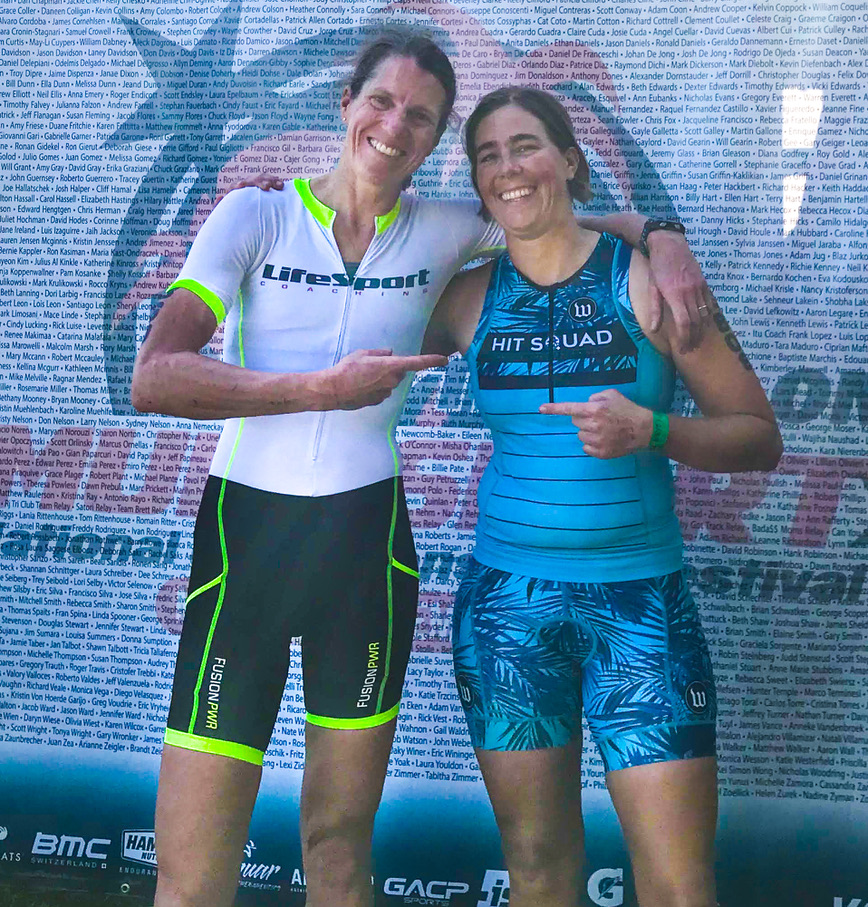
The smooth and current flow of communication between the athlete and the coach is the foundation of a good relationship. The coach delivers a program based on the ongoing feedback from the athlete. Without this feedback, which includes data from uploaded workouts along with any comments, is invaluable for getting the most out of the partnership. And it is a partnership; the athlete needs to know the how, what and why and the coach needs to know everything that affects it.
In 2022, coaches and athletes have access to more methods of communication than ever before. It is key when having the initial conversations between coach and athlete that both are on the same page. Here are some of my thoughts and these can obviously be adjusted for individual situations.
TrainingPeaks can be viewed as the core tool for sharing information. This is where workouts are delivered and the results uploaded. To get the most out of TrainingPeaks the athlete should include relevant comments as to how the workout went, how they felt and factors that affected the session. Since it is a record of what was done, this is not the ideal place to ask for information unrelated to the workout. As a coach I will have athletes include their work schedule, especially if they have inconsistent hours and days.
Email is a great tool for direct questions regarding upcoming workouts and when planning weeks. It is also more favourable for the season’s race plans and any travel that will affect upcoming training. One of the reasons I prefer email for this is that it is much easier to search for these items. Emails is also good for race plans and race reports as well as any information related to training that can’t be answered in a short sentence.
Text, Messenger and WhatsApp are good for quick questions about upcoming workouts and if things need immediate attention.
And finally the phone or video apps are perfect for the monthly catch up calls or anytime you have a question that requires a conversation. Great for planning how to approach an upcoming race or training camp.
As with all communication it is important that both the athlete and the coach are on the same page and remain in regular contact. That is how everyone improves.
Based in Victoria, BC, LifeSport Senior Coach Dan Smith has been involved with multisport for over fifteen years. He also regularly races and frequently gets on the top of his podium in his age group at local and World Championship events.
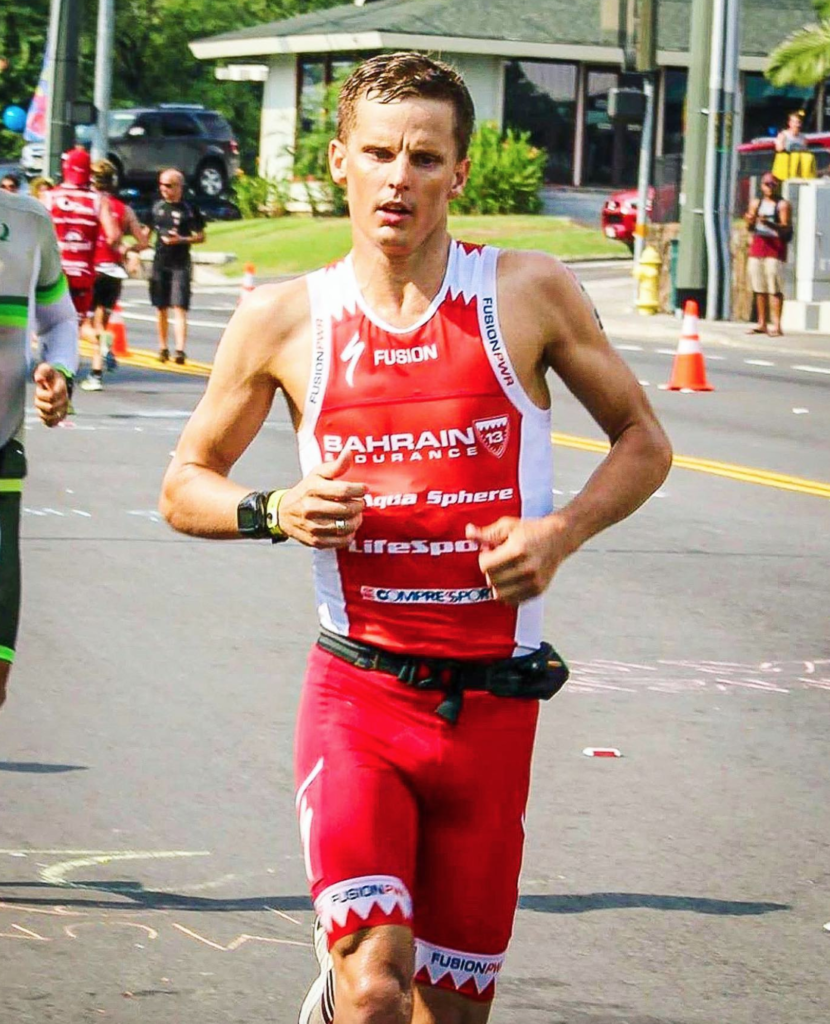
The exhilaration of race day is over, adrenaline has subsided, and the fatigue has begun to settle in.
What Now?
You’ve just gone through The entire process of endurance racing; and while it is rewarding and brings on an enormous release of endorphins and ‘feel goods’—it also puts a great deal of fatigue on the body, both physically and mentally.
Some call it ‘post-race blues’ or ‘post-race low’ (instead of ‘post-race depression’), which ultimately follows any event that has demanded a large amount of your time in preparation and planning, and then is finally over. You have spent a lot of time and energy thinking, planning, scheduling, preparing, eating, sleeping, cooking and packing for your training. And now the big event has come and gone. It can be a bit of a letdown, but it’s entirely normal to feel this way.
Review
Within a day or two of the race, write down your thoughts about the race and specific details about your experience. It’s a good idea to take some time to complete a post-race analysis. This is beneficial for yourself, but especially important information for your coach. The idea overall is to evaluate your race performance: determine what worked and what didn’t, where your strengths and weaknesses lie, and what did you learn.
Here are some main topics to consider:
Pacing
Were you able to hit your pacing targets (based on HR, power or speed)? If not, why not? Did weather, fueling, or sickness play a role? Were your targets realistic based on your training leading into the race?
If you exceeded your targets, why do you think that was possible? What were the factors that led to your success?
Consider both internal and external influences.
Fueling
Was your fueling plan appropriate to the rigors of the day, e.g., too many or too little calories, too much or too little hydration?
Heart Rate & Power
Were you able to maintain a consistent and appropriate heart rate and/or power profile throughout the race?
Finish
If you have competitive goals, it can be helpful to analyze your placement in the field. What was your overall placement, your placement within your gender, and your placement within your age group.
Rest
Racing places big demands on your body, both physically and mentally. After any major race it is important to take some downtime. The physical fatigue on the body is very obvious—but the mental strain accumulated can be a heavy burden you don’t even realize you have carried. Take this rest time to reconnect with yourself, your family, friends, and feel free to include any non-triathlete (low-intensity) related hobbies. Treat yourself to a massage!
Allow this rest period to represent a transition from a high-intensity state to recharge yourself so you can conquer your next goal. Rest is paramount, and you can come back stronger if you give yourself permission to do so.
Resume
What’s next?! This is the exciting part. What is the next challenge you want to work towards? Is there a certain event you would look forward to? Would you like to travel? Maybe a destination race, or a different length of race, or a team race…there is an endless amount of races to choose from!
And as anxious as you probably are to jump straight back into training full-time—remember to be patient. Patience is the key to avoid injury or overtraining. Even though you are feeling refreshed and energized, and ready to go! Listen to your coach’s guidance and respect the return to training. Know that it’s ok to hold yourself back; the goal is to keep that motivated feeling strong moving forward.
Regardless of what you choose to do moving forward, don’t lose sight of what you have accomplished. Celebrate your successes and take the time to recover physically and mentally—it will make you a better athlete because of it!
_________________________________________________________________________________________________________________________________
“Thank you to Lauren Babineau for her contribution to this article”
Lance Watson, LifeSport head coach, has trained many Ironman, Olympic and age-group Champions over the past 30 years. He enjoys coaching athletes of all levels.
Contact Lance to tackle your first IRONMAN or to perform at a higher level.
For more training tips, visit LifeSport Coaching on Facebook or on Twitter at #LifeSportCoach.