Simple Feed
December 5, 2021
Simple Ironman 70.3 nutrition strategies
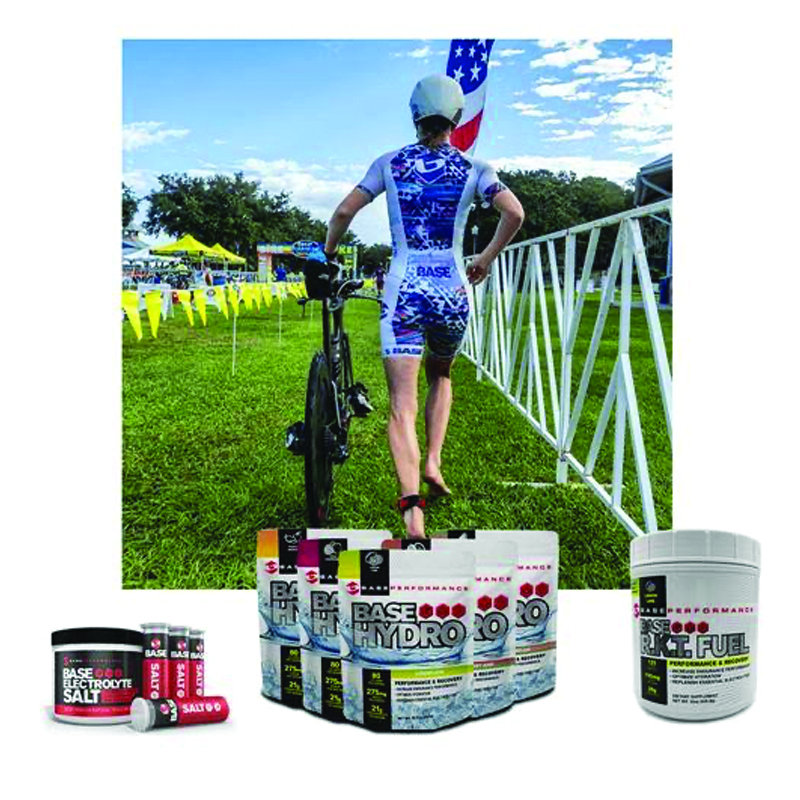
In shorter distance triathlons you can typically get away with making some nutrition mistakes, but during a 70.3 or another 4 – 7 hour event, nutrition is an incredibly important factor.
The aim for a bike leg of an Ironman 70.3 is to propel you strongly to the start of the run. The aim of the run is have enough fuel left in your body to show off your fitness. If you have practiced sound nutrition over the 56 miles of riding, you will be able to begin the run in great condition and complete the 13.1 miles with minimal slowing down.
The sport nutrition products supplied on the course do not necessarily guide your choice of calories. You can train with those products in the months before the race to test them. Most athletes work with the product that suits their stomach and do not cause GI distress.
Note that calorie absorption and heart rate are inversely related. As you start to exercise blood is diverted from your stomach to your working muscles and skin to sweat and help cool you. As your heart rate rises, you are less able to digest the calories you ingest. Therefore your race day nutrition plan is intimately bound to your racing heart rate. Make sure you show up to the race knowing your race intensity zones and having practiced eating at those heart rates! The most common mistake is to consume too much at a high heart rate. If your heart rate is up, adjust your calorie intake downward. Also, do what you’ve been doing in training – don’t try anything new on race day!
When preparing your race day plan you should take the following guidelines into account:
Pre Race
- Breakfast on race day should be similar to training days. Stick primarily with carbohydrates, a little protein, and minimal fats. Toast and jam, a banana, oatmeal, PowerBar, and Carbohydrate electrolyte drinks are popular choices. Some will have egg or peanut butter for protein. Some athletes prefer a shake. If you have a coffee on training days, have a coffee on race day.
- Finish breakfast 2-3hrs before race start to give yourself time to digest.
- In the 2hrs before the race, sip water and/or a Carbohydrate electrolyte drink.
- Some athletes will take a PowerGel prior to race start.
Bike
- Starting the bike – For the first 5-10 minutes of the bike, drink water and take in minimal calories, mainly in the form of a sports drink. Let your body adjust to cycling, and let your heart rate drop down. Then start eating when you have settled into a good cycling rhythm. Follow the plan you’ve trained with all season, do nothing new on race day.
- From 10 minutes after the bike start to 10 minutes prior to the bike finish eat 200-350 carbohydrate calories per hour, regardless of source. Larger or muscular athletes tend to need more calories. For instance, PowerGel = 110 cal; PowerBar = 200 cal; Carbohydrate electrolyte drink = 100 cal. Bigger athletes need more calories. Some athletes can digest more than others. Test it in training.
- Drink 1 to 1.5 litres (33-50oz) of fluid per hour (water and Carbohydrate electrolyte drink combined). This is approximately 2 small bottles to 2 large bottles per hour, depending on climate and your personal perspiration rate. A training tip is to weigh yourself pre- and post ride. Every 1 pound lost is 1 small water bottle of fluid deficit, and will negatively impact your half marathon performance.
- Set your watch alarm to go every 15 minutes, to remind you to eat and drink regularly.
- A simple plan would be to eat a gel every 30 min (~200 cal per hour) and a bottle of sports drink per hour (100 cal per hour). Sip water throughout with the gel. You will need to take up to 10oz of water per gel.
- The products you use should also provide the following minerals/electrolytes, which will help you absorb your drink into your blood stream, and avoid cramping. Recommended sodium intake is 500-750mg/litre (33oz) – for example, one PowerGel has 200mg Sodium, 20mg Potassium, and 90mg Chloride. 1 litre (33oz) of Carbohydrate electrolyte drink has approximately 200-400mg of sodium.
- If the products you choose or those provided on the course do not supply the recommended amount of electrolyte you should consider using additional supplementation. As with all other products, you should practice their use in training prior to the race.
- 10 minutes prior to bike finish you should reduce your calorie intake and only take in sports drink or water. This allows your stomach to empty while still allowing your gut to absorb the food and fluid ingested earlier on the bike. You will be able to start the run in a relatively comfortable state. Once you start the run you can start consuming calories again according you your run nutrition plan.
Run
- Wait 5-10 minutes into the run until your heart rate levels off before starting your nutrition/hydration regime.
- Often athletes’ heart rates are higher on the run than the bike. If this if the case, calorie consumption should be 15-30% lower per hour than on the bike.
- Many athletes find liquid calories easier to digest on the run, in the form of Carbohydrate electrolyte drink or cola. It is also common to eat PowerGels on the run.
- Follow a similar hydration protocol to the bike. Make sure that you get as much from the cup to your mouth as possible. Fold the paper cups to help control spilling.
- If you are running 7:30/mile, you will hit approximately 4 aid stations per hour, if they are spaced at 1 per mile. A goal is to drink 2 paper cups of liquid per aid station.
- If you are still running well, calories and drink taken with 1 mile to go will not impact your race, so you may skip the last aid station, with the exception of pouring some water on your head, or rinsing your mouth.
Nutrition for 70.3 deserves as much thought and planning as the rest of your ‘physical’ training. You should develop a plan and practice it repeatedly in training to ensure that you finish the bike leg with energy left and set yourself up for a great run. Your nutrition plan is unique to you. It assumes that you have determined your own calorie requirements, and you know your digestive capabilities.
Lance Watson, LifeSport head coach, has trained a number of Ironman, Olympic and age-group Champions over the past 30 years. He enjoys coaching athletes of all levels.
Contact Lance to tackle your first IRONMAN or to perform at a higher level.
December 5, 2021
Why I need to do an IRONMAN
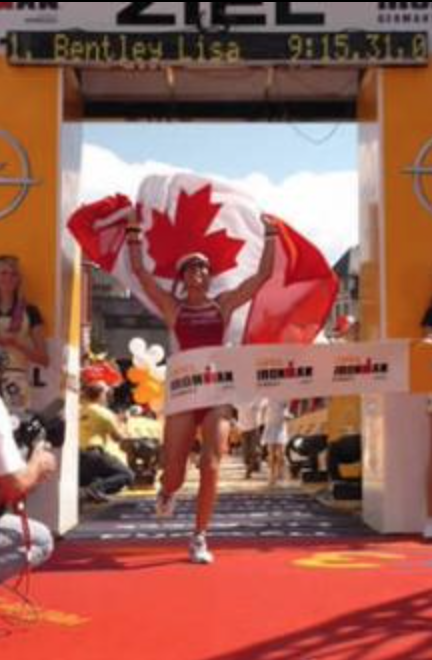
The New Year is a time of new hope and new purpose. The summer race season sits on the horizon, and we dream of riding that sleek new racing machine through various new adventures, while shattering personal bests.
But wait, is that all there is? Ironman is a big goal, a passion and significant time commitment. Training and exercise in general is something you need to do and there are numerous studies that provide unequivocal evidence to the benefits of doing what you do.
So, if you could use a few more talking points to secure your spouse’s ongoing support in 2016; or you want to justify a few triatha-long weekends to your boss and colleagues, here are 8 great reasons that explain why you NEED to do Ironman!
- You Are a Role Model
Kids pay attention what their parents do. Have you ever noticed that active parents tend to raise active children? Kids who see mom and dad donning spandex (*cringe) on a regular basis will learn that getting regular exercise is an important life value. Friends and families are inspired when they see ordinary people set goals resulting in extraordinary achievements. Have you shared your passion for sport with someone you care about? Has someone joined a spin class or done a 10k because you encouraged them? That is powerful role modelling.
- You Will Be Less of a Burden on the Health Care System
Stay healthy, stay out of the hospital, and save tax payers money! Triathlon training prevents excess weight gain and helps maintain weight loss. Studies have shown that regular exercise boosts “afterburn”—that is, the number of calories you burn after exercise. Scientists call this EPOC, which stands for excess post oxygen consumption.
Data from the US department of Health and Human Services:
- More than 2 in 3 adults are considered to be overweight or obese.
- More than 1 in 3 adults are considered to be obese.
- More than 1 in 20 adults are considered to have extreme obesity.
- About one-third of children and adolescents ages 6 to 19 are considered to be overweight or obese.
- More than 1 in 6 children and adolescents ages 6 to 19 are considered to be obese.
(*See my prior point about “role modelling”)
Related to obesity, triathlon training combats health conditions like heart disease, high blood pressure, boosts high-density lipoprotein (HDL), or “good,” cholesterol and decreases unhealthy triglycerides. This one-two punch keeps your blood flowing smoothly, which decreases your risk of cardiovascular diseases. Physical training can help you prevent or manage a wide range of health problems and concerns, including stroke, metabolic syndrome, type 2 diabetes, depression, and certain types of cancer, arthritis and falls. It’s long been known that running increases bone mass, and even helps stem age-related bone loss.
- You Are Increasing Productivity
Feeling uninspired in your cubicle? Simple solution: ride your bike. Research shows that workers who take time for exercise on a regular basis are more productive and have more energy than their more sedentary peers. While busy schedules can make it tough to squeeze in a swim in the middle of the day, some experts believe that midday is the ideal time for a workout due to the body’s circadian rhythms.
In a 2014 study from the University of Georgia, Thirty-six healthy, young adults who reported persistent feelings of fatigue were randomly assigned to a moderate-intensity exercise, low-intensity exercise or no treatment control group. Participants in each condition then visited the “exercise laboratory” on 18 occasions over a 6-week period. Vigor and fatigue mood state scores were obtained. Big surprise: moderate and low intensity exercise groups reported beneficial effects on feelings of energy over their sedentary peers.
Creativity is related to productivity. Post workout is a good time for an office brainstorm session (consider a quick shower first). A heart-pumping run session can boost creativity for up to two hours afterwards. Supercharge post-workout inspiration by exercising outdoors and interacting with nature. Next time you need a burst of creative thinking, hit the trails for a run to refresh the body and the brain at the same time.
- You are Happy
Triathlon training is imperative to your happiness. Working up a sweat can help manage mental stress. Exercise also increases concentrations of norepinephrine, a chemical that can moderate the brain’s response to stress. Slogging through a few miles on the ‘mill is worth the effort! Exercise releases endorphins, which create feelings of happiness and euphoria. Studies have shown that exercise can alleviate symptoms among the clinically depressed. In some cases, exercise can be just as effective as antidepressant pills. And on those days when you have to force yourself out the door, even for 30 minutes, exercise still protects you against anxiety and depression.
- You are Sexy
Do hours in the saddle kill your libido? Maybe temporarily. But, regular physical activity can leave you feeling energized and looking better, which can have a positive effect on your sex life. But there’s more to it than that. Regular physical activity can lead to enhanced arousal for women, according to the University of Washington. And this assessment of 210 studies from 1972 to 2010 determines men who exercise regularly are less likely to have problems with erectile dysfunction than are men who don’t exercise.
Hop on the treadmill to look (and more importantly, feel) like a million bucks. On a very basic level, physical fitness can boost self-esteem and improve positive self-image. Regardless of weight, size, gender, or age, exercise can quickly elevate a person’s perception of his or her attractiveness, that is, self-worth. Exercise to look and feel sexy!
- You Are Pumping Up Your Brain
Your brain is shrinking! Ironman training can help prevent that. Aging and degenerative diseases like Alzheimer’s kill off brain cells. Exercise and a healthy diet can’t “cure” Alzheimer’s, they can help shore up the brain against cognitive decline that begins after age 45. Working out, especially between age 25 and 45, boosts the chemicals in the brain that support and prevent degeneration of the hippocampus, an important part of the brain for memory and learning.
Worried about “losing it” as you get older? Ironman training will help you stay “with it.” A December 2012 study published in Psychonomic Bulletin & Review concluded that the evidence is insurmountable that regular exercise helps defeat age-related mental decline, particularly functions like task switching, selective attention, and working memory.
Amazingly, studies on mice and men have shown that cardiovascular exercise can create new brain cells and improve overall brain performance. Studies suggest that a tough workout increases levels of a brain-derived protein in the body, believed to help with decision making, higher thinking, and learning. Regular physical activity boosts memory and ability to learn new things. Another study showed that running sprints improved vocabulary retention among healthy adults.
- You Will Raise Money for Charity
Ironman is such an epic accomplishment, that it also creates a great platform for inspiring donation to a cause that is important to you.
Here’s a great piece on the IRONMAN Foundation:
“We all do triathlon for different reasons, and it’s important to stop and look at the “why’s.” Maybe you got into the sport to lose weight, or prove something to yourself. Maybe you simply love the activities of swimming, biking and running. For many foundation athletes, fundraising is the logical next step in using their favorite hobby to make a positive change”
There are plenty of bike and run race events out there held to raise money for great causes, such as cancer research, multiple sclerosis research and local organizations. Have a look at what’s going on in your area—most races give options as to how far you want to go so you can pick a distance that fits your training progression. You can use these “training races” to raise money for causes near to your heart.
- You Are Choosing the Best Addiction
Ever heard someone call running their “drug”? It actually is pretty similar. Running causes the same kind of neurochemical adaptations in brain reward pathways that also are shared by addictive drugs, according to a 2007 study in Physiological Behavior.
The brain releases dopamine, the “reward chemical” in response to any form of pleasure, be that exercise, sex, drugs, alcohol, or food. Unfortunately, some people become addicted to dopamine and dependent on the substances that produce it, like drugs or alcohol (and more rarely, food and sex). On the bright side, exercise can help in addiction recovery. Short exercise sessions can also effectively distract drug or alcohol addicts, making them de-prioritize cravings (at least in the short term). Working out when on the wagon has other benefits, too. Alcohol abuse disrupts many body processes, including circadian rhythms. As a result, alcoholics find they can’t fall asleep (or stay asleep) without drinking. Training can help reboot the body clock, helping people hit the hay at the right time.
So get out for a run, satisfy your craving, and feel good about your positive addiction!
Lance Watson, LifeSport head coach, has trained a number of Ironman, Olympic and age-group Champions over the past 30 years. He enjoys coaching athletes of all levels. Contact Lance to tackle your first IRONMAN or to perform at a higher level.