Simple Feed
March 5, 2025
Why supershoes? What’s best for you?
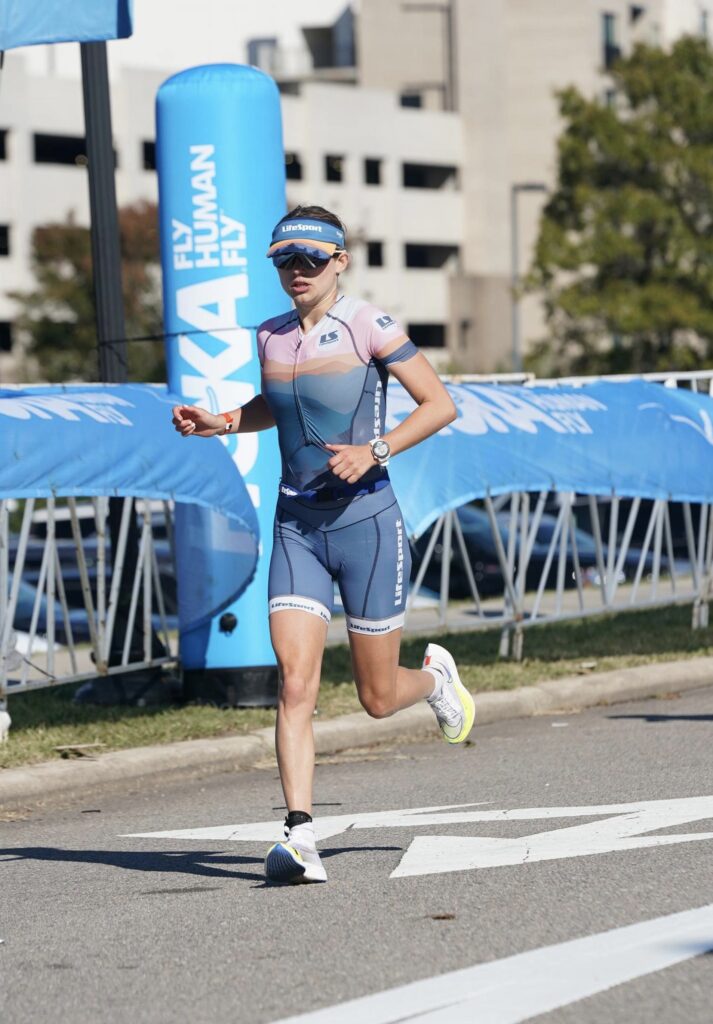
by Head Coach, Lance Watson
How to Choose the Best Supershoes for Triathlon: Sprint to Ironman
Triathletes are always looking for ways to gain an edge, and supershoes have revolutionized racing, offering increased efficiency, better energy return, and reduced muscle fatigue. However, choosing the right pair depends on the race distance, biomechanics, and individual preferences. Whether you’re racing short-course events (Sprint and Olympic) or long-distance triathlons (Ironman 70.3 and Ironman), the ideal supershoe should match your needs for comfort, durability, and performance. Here’s how to make the best choice.
Understanding Supershoe Technology
Modern supershoes utilize carbon fiber plates, lightweight foams, and rocker geometry to improve running economy. These features reduce fatigue and enhance propulsion, making them especially beneficial for triathletes transitioning from cycling to running. However, not all supershoes perform the same across different race distances.
Choosing Supershoes for Short-Distance Triathlons (Sprint & Olympic)
In Sprint and Olympic-distance triathlons, the run leg is shorter (5K and 10K, respectively), requiring shoes that prioritize speed, responsiveness, and rapid transitions.
- Weight Matters: Lighter shoes with a responsive feel can help maximize turnover and speed. Look for models with minimal weight but ample cushioning to maintain efficiency.
- Aggressive Rocker and Responsiveness: A strong forefoot rocker and firm foam can enhance toe-off, which is crucial for short, fast efforts.
- Secure Fit: Shoes with a snug upper and a stable platform reduce foot movement and improve efficiency. Elastic laces or a quick-entry system can also speed up T2 transitions.
- Examples: Nike Vaporfly, Adidas Adizero Adios Pro, and ASICS Metaspeed Sky+ provide a fast, lightweight option for short-course athletes.
Choosing Supershoes for Long-Distance Triathlons (Ironman 70.3 & Ironman)
For half and full Ironman events, durability, comfort, and energy conservation are key, as the marathon distance (or half-marathon) puts significant strain on the legs.
- Max Cushioning for Fatigue Resistance: Look for high-stack foam that provides long-lasting comfort and absorbs impact over extended distances.
- Stability for Fatigue Management: As fatigue sets in, maintaining form becomes difficult. Supershoes with a stable base and slight guidance features help prevent overpronation and maintain efficiency.
- Breathability and Comfort: A well-ventilated upper prevents overheating, while a comfortable fit minimizes blisters over the long haul.
- Examples: Nike Alphafly, Saucony Endorphin Elite, and HOKA Rocket X 2 offer excellent cushioning and energy return for long-distance events.
Additional Considerations for Triathletes
- Transition Ease: Elastic laces or a design that allows for sockless wear can improve T2 efficiency.
- Durability vs. Performance: While some supershoes offer top-tier speed, they may not last beyond a few races. Consider durability if training in them.
- Personal Biomechanics: Not every supershoe suits every runner. Testing different models in training can help identify the best fit.
- Try Before Race Day: Always test your chosen supershoe in training under race-pace conditions to ensure comfort and efficiency.
- Consider Race Course Conditions: Wet conditions, hilly terrain, or mixed surfaces may influence your shoe choice, so select a model with appropriate grip and stability.
Conclusion
Choosing the right supershoes depends on your race distance, comfort preferences, and biomechanics. Short-course triathletes benefit from lightweight, aggressive shoes for speed, while long-distance athletes need cushioning and stability for endurance. By selecting the right pair and testing them in training, you can maximize efficiency, reduce fatigue, and finish strong on race day.
LifeSport head coach Lance Watson has coached a number of Ironman, Olympic and age-group Champions over the past 30 years. He enjoys coaching athletes of all levels. Join Lance to tackle your first triathlon or perform at a higher level.
January 20, 2025
LifeSport Women’s Gravel Camp in Hood River, Oregon!
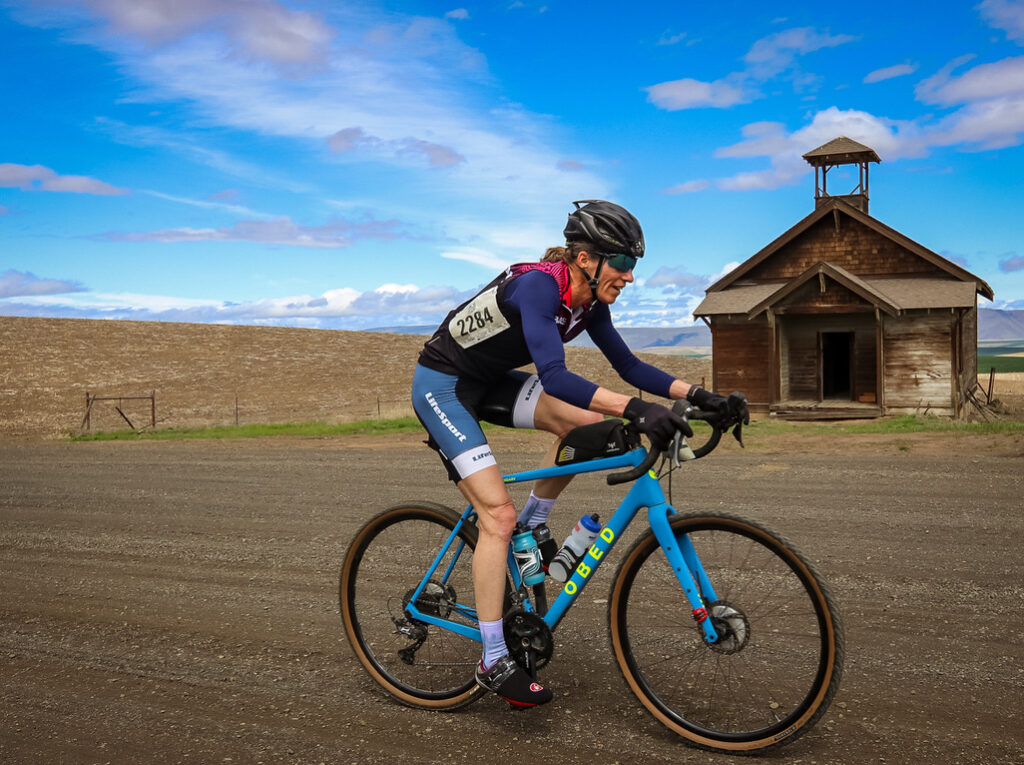
Gravel is here! Opening up hundreds of miles of new terrain with fewer cars and beautiful landscapes, gravel riding has taken off with opportunities to train and race all over the world. Get on board!
Our first-ever LifeSport Gravel Camp will challenge and thrill you. Hood River local, Coach Juliet Hochman, will share with you the climbs and descents that made her fall in love with gravel as a year-round training supplement to triathlon and a whole new arena for racing. We’ll start with a tech workshop covering the fundamentals of climbing, descending and the differences between road and gravel riding. Then we’ll jump into three days of long aerobic rides with plenty of climbing with ample time to ride. We’ll pack sandwiches and have scheduled rest stops to make sure we have the hours to enjoy our very favorite rides in the region. Come enjoy the breathtaking beauty of Mt. Hood, Mt. Adams and the Columbia River Gorge as we climb thorough orchards, traverse plateau-topping wheat fields and descend through the Mt. Hood National Forest. These rides will be challenging but we promise that you will never forget them.
At day’s end, if you still have the will and the legs for swimming or running, we’ll happily point you in the right direction, either to the 10-lane Hood RIver pool or the Historic Highway or Indian Creek trail for a recovery run. We’ll host a camp breakfast and dinner at Juliet’s home with her legendary baked goods and healthy training food and organize dinners at local restaurants for the other evenings. We’ll train and eat together; support and push each other and you will emerge confident and ready to tackle your gravel rides back home.
Camp will include:
- Training focused on hill climbing, descending and bike handling skills to increase confidence on gravel.
- Beautiful, iconic rides above the Columbia River Gorge and through the Hood River Valley’s orchards, vineyards, grasslands and natural areas.
- Challenging endurance routes, with a bonus day for athletes who want to stay for a Sunday ride.
- Nutrition and hydration guidelines.
- Optional runs and pool swims.
- Two camp meals, and planned no-host dinners for the other days.
Tentative Schedule (subject to change):
Tuesday, May 19: Camp starts at 5 pm! Meet-and-greet and overview. Camp welcome dinner at Juliet’s house.
Wednesday, May 20: Functional strength (optional). Bike skills workshop. Aerobic ride. Optional swim or run. Dinner on your own.
Thursday, May 21: Camp breakfast. Endurance ride. Optional run or swim. Group dinner (no-host) at Pfriem Brewing.
Friday, May 22: Core + Mobility (optional). Endurance ride. Optional run or swim. Group dinner (no-host) at Solstice Pizza.
Saturday, May 23: Endurance ride. Camp wrap-up and final dinner.
Bonus day! Sunday May 24: For athletes who want just one more awesome day of gravel riding in the Gorge.
Please contact Juliet for more information at juliet@lifesportcoaching.com.
Cost: $545. ($445 for LifeSport and TRiCLUB athletes). Does not include travel, accommodation or meals besides Camp Breakfast and Dinner.
Sign up here to hold your spot!
LifeSport/TRiCLUB athletes use THIS link to sign up and enjoy a $100 discount!
This camp is limited to 8 athletes. Full refund guaranteed until February 12. Sign up now to hold your spot!